

Architecture of Light and Stone: Inside a Restored Ottoman Hammam
In the heart of Istanbul’s historic Zeyrek district stands a space where water, stone, and silence meet in harmony. Zeyrek Çinili Hamam is more than a bathhouse — it is a living memory of centuries-old ritual, architecture, and cultural continuity.
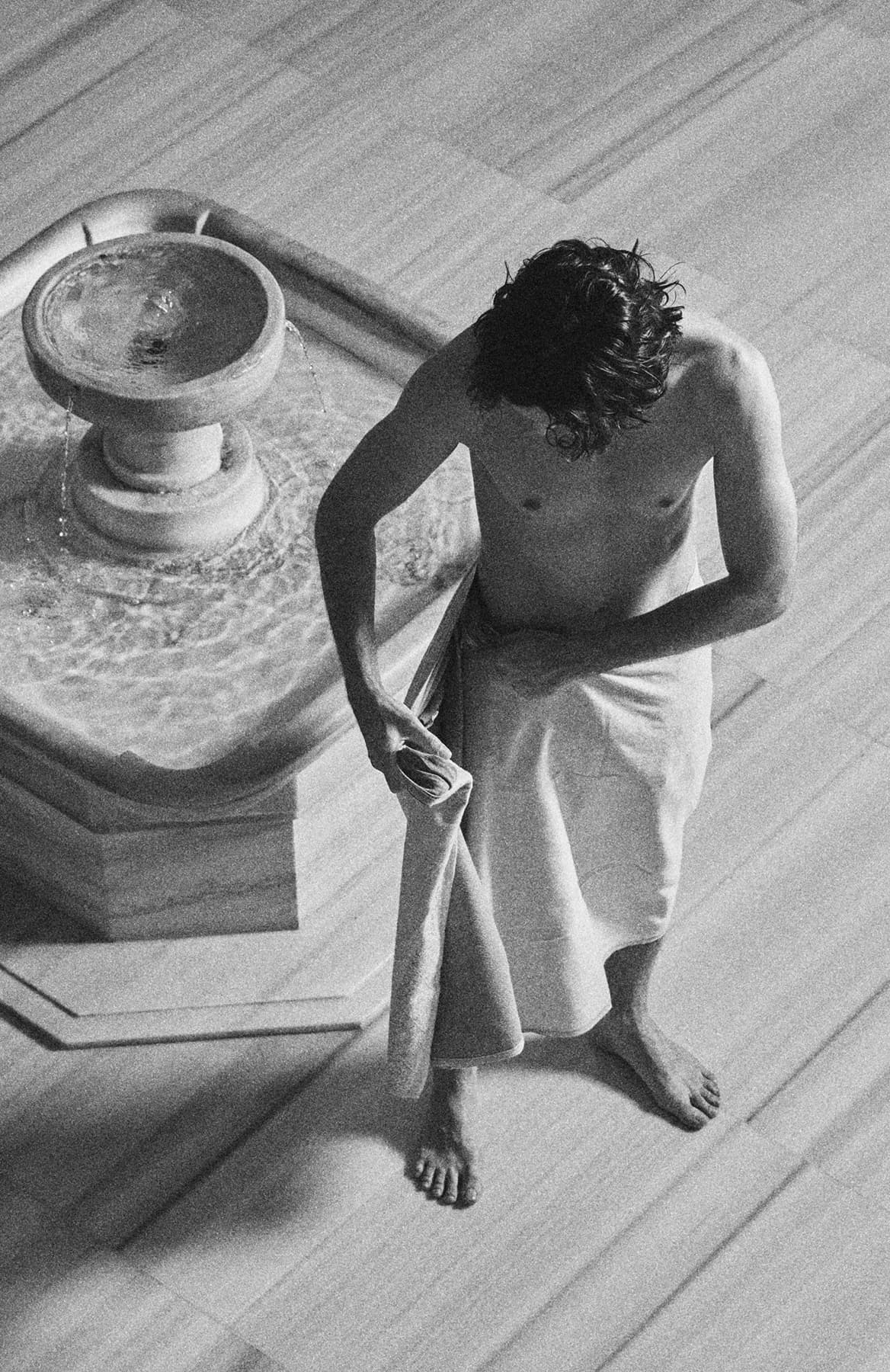
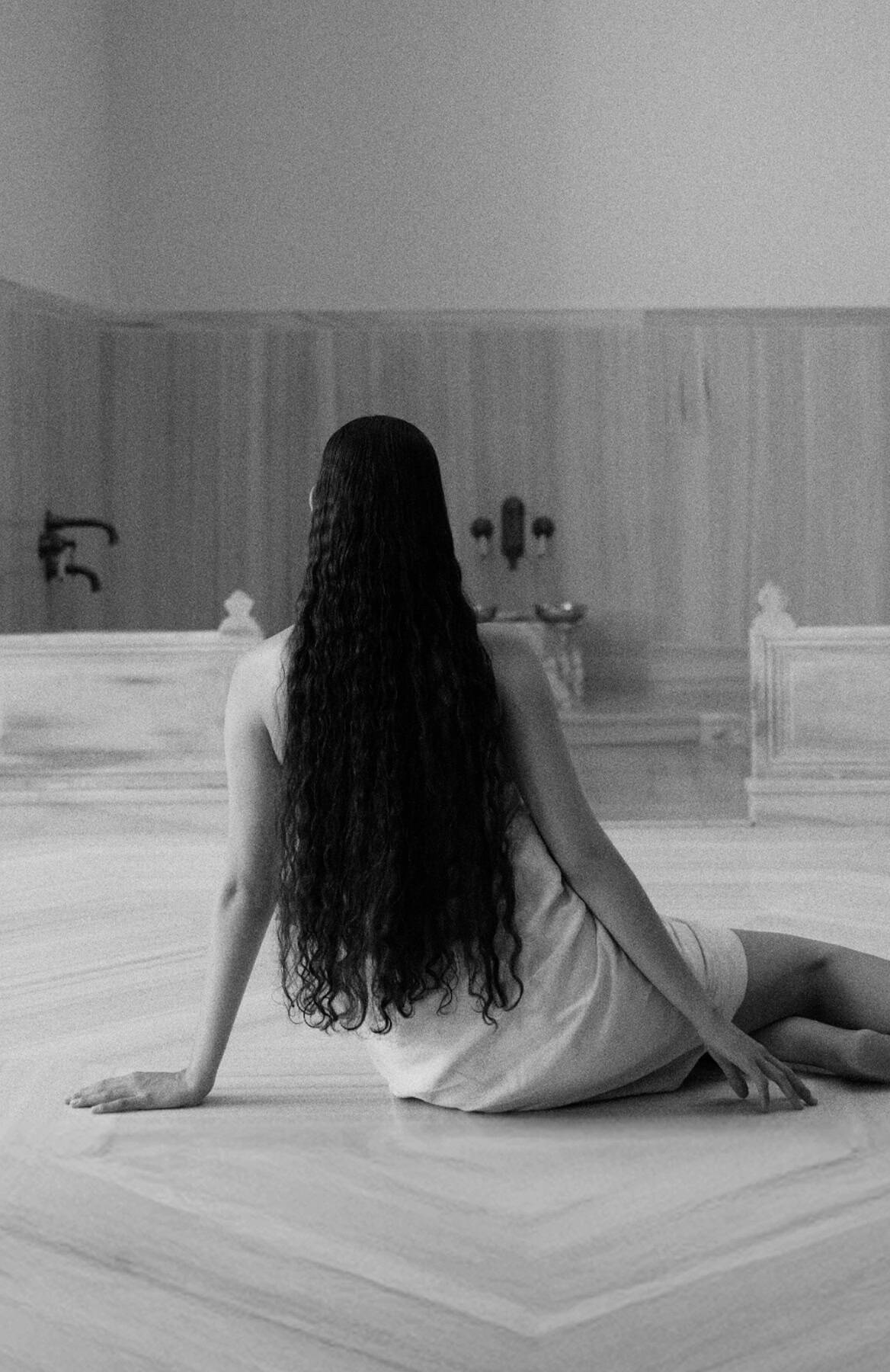
ing the Ottoman period, the hamam reflects the refined aesthetics of classical Ottoman design. Light filters softly through the domed ceiling, touching marble surfaces that have witnessed generations of visitors seeking purification and renewal. Every architectural detail — from the central heated marble platform to the delicate tiles — carries the spirit of its era.
At the center lies the heated marble platform
For centuries, hammams played a vital role in Ottoman social life. They were places of preparation before weddings, celebrations, and important gatherings. They served as communal spaces where stories were exchanged, friendships strengthened, and traditions passed down. Within these walls, personal care intertwined with cultural continuity.
Zeyrek Çinili Hamam carries this legacy forward. Its architectural details — from carefully restored stonework to preserved tile fragments — tell a story of resilience and reverence. Restoration efforts have sought not to modernize the space beyond recognition, but to reveal its original character while ensuring its longevity. The aim has been preservation with sensitivity: honoring craftsmanship while allowing the building to breathe again.

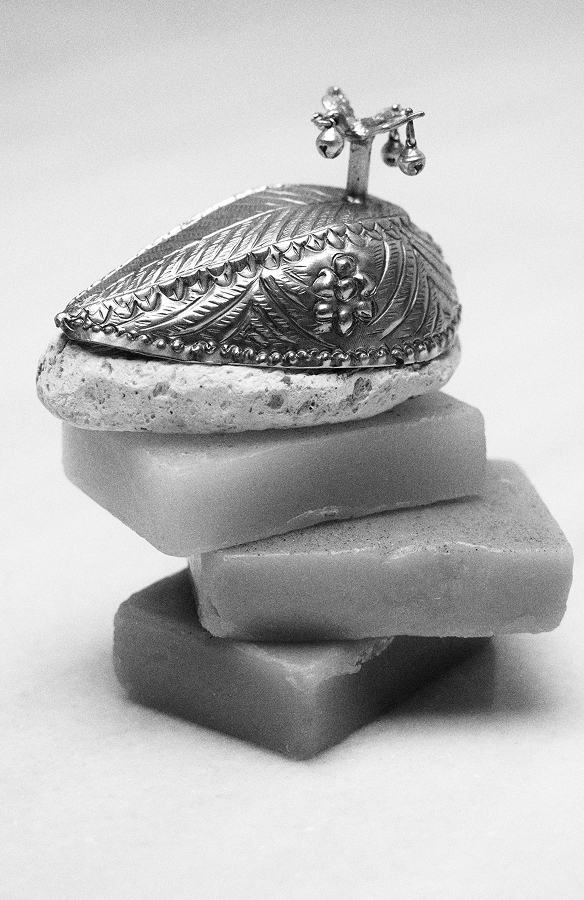
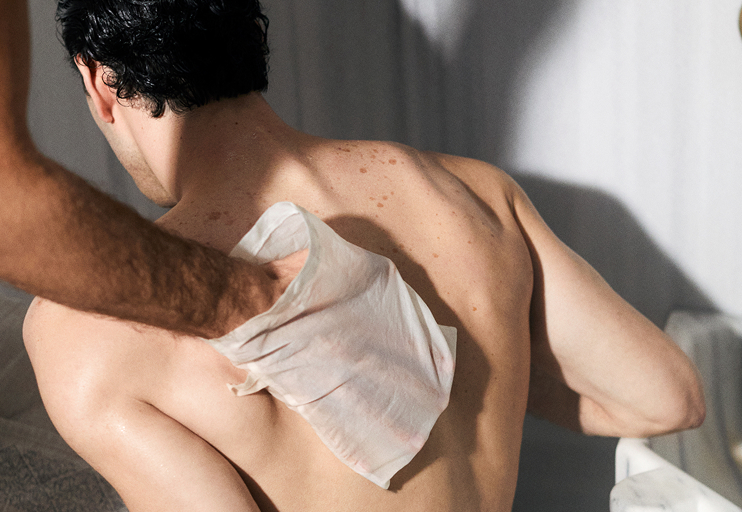
It lives. Today, visitors from around the world step into the same chambers that once welcomed generations before them. The ritual remains deeply physical — water poured from metal bowls, the rhythmic motion of the kese exfoliation, the enveloping softness of foam massage — but it is also profoundly emotional. It offers something increasingly rare: uninterrupted presence.
In an era defined by acceleration, the hammam offers deceleration. It invites awareness of texture, temperature, and touch. The soundscape shifts from urban noise to the echo of droplets and distant murmurs. Time stretches. Minutes feel longer, fuller.
Water, in this context, becomes more than an element.
It is a medium of transition — between past and present, between tension and release, between the outer world and inner stillness. Stone provides structure. Steam softens edges. Light completes the composition.
To enter Zeyrek Çinili Hamam is to participate in a continuum. It is to step into a space shaped by centuries yet open to the present moment. Here, ritual is not reenactment. It is renewal — experienced again and again, with each visitor who crosses its threshold.


