
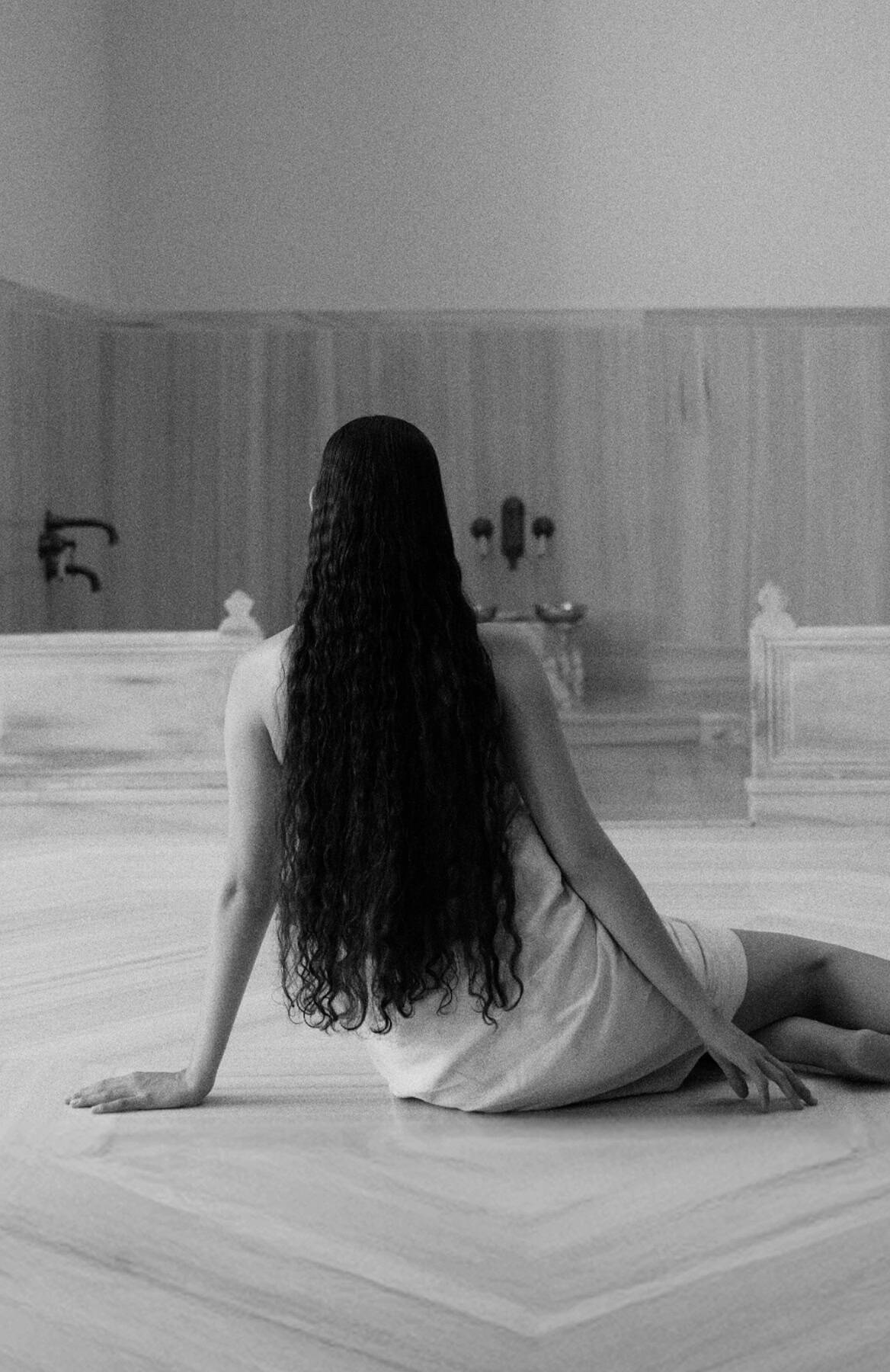
Poetry and Calligraphy at Zeyrek Çinili Hamam In Conversation with Bora Keskiner
The Museum: Systems, Tiles and Objects
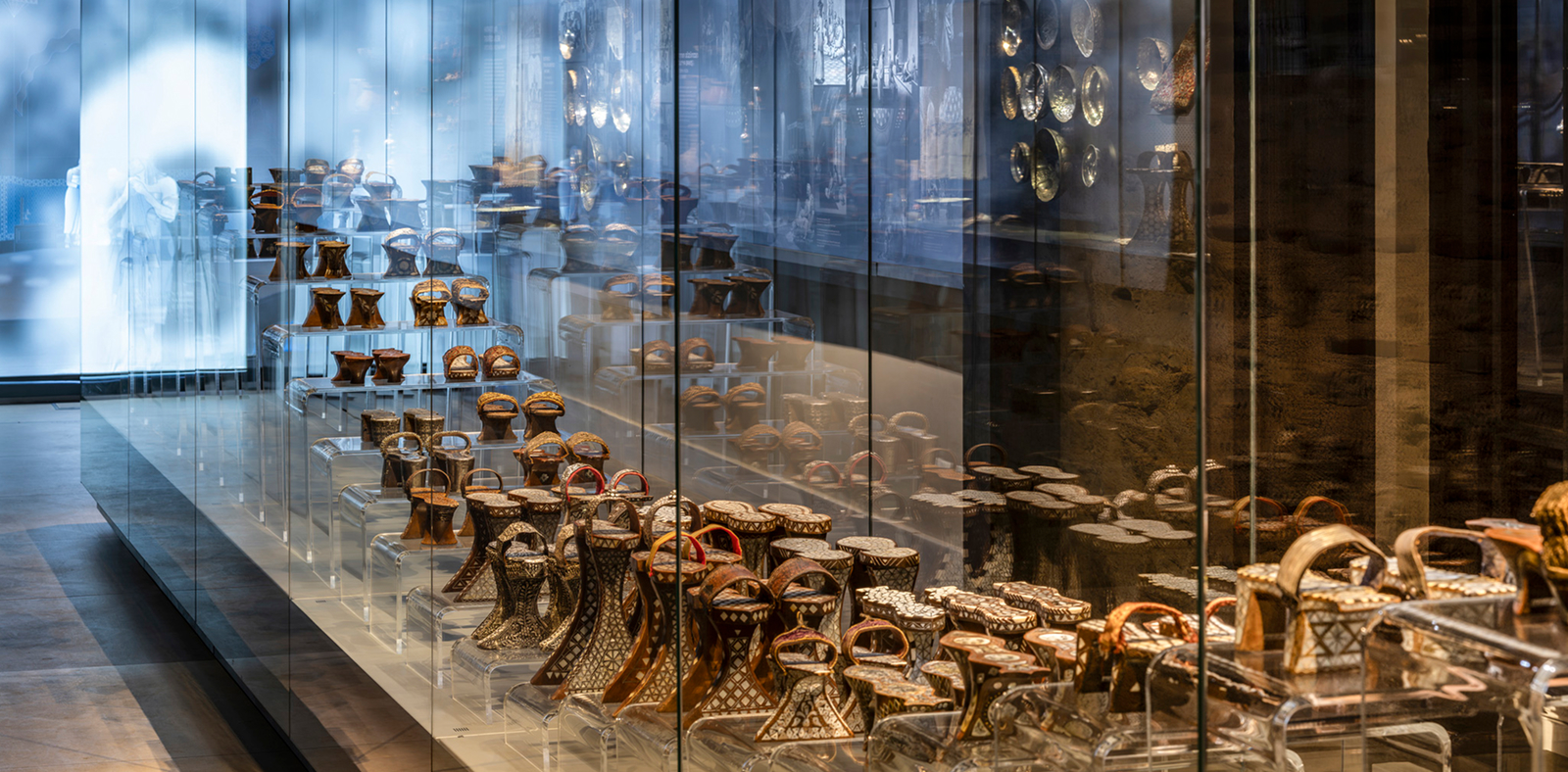
Zeyrek Çinili Hamam Museum preserves traces of multiple civilisations uncovered within the site. Thousands of artifacts came to light during the restoration of the hammam, revealing the layered history of the city and inspiring the creation of the museum.
Designed by Atelier Brückner, the award-winning museum presents many of these objects exactly where they were found, allowing visitors to encounter the tangible history of the hammam in situ.
It is the only museum in the world created alongside a functioning historic hammam, bringing together living tradition and archaeological heritage within a single place.
The Water Network
The hammam depends on systems that are mostly unseen. Channels, heating routes, and reservoirs carried and controlled water and heat throughout the structure.
The museum traces how water reached the hammam, circulated, and changed temperature, allowing visitors to follow this process as they move through the spaces and understand how the hammam functioned in daily use. What feels atmospheric today was once engineered with precision.
Near the former well, outside the enclosed museum areas, digital panels visualize this hidden network, showing the journey of water from source to heating, circulation, and return, gaining a clearer understanding of how the hammam operated.


Tile Collection
Zeyrek Çinili Hamam takes its name from the exceptional tiles that once covered its walls. In the 16th century, Iznik workshops produced thousands of blue and white tiles specifically for this structure, many of which were later removed and dispersed.
During restoration, nearly 3,000 tile fragments were uncovered. These fragments were excavated and studied, allowing 37 patterns and their original wall arrangements to be understood again. Video mapping reconstructs fragments into full compositions and shows how some parts of the interiors once appeared. Among the finds were hammamiye tiles, a form of Ottoman Divan poetry written in praise of the bath, discovered in what was previously the men’s hot room and now displayed in the museum.


Excavation Finds
During the meticulous restoration process, unexpected discoveries emerged beneath the hammam. Excavations uncovered vessels, lamps, glassware, coins, and everyday objects from successive periods of the city, with artifacts dating from the 5th to the 20th century.
These finds, revealed during restoration, are now part of the museum collection, offering a glimpse into the layered history of the city within a single site.


Hammam Culture
This section explores the cultural life of the bath and the rituals that shaped the hammam experience. At its center is a wide array of traditional clogs, an important part of the museum’s display and a distinctive feature of bathing culture.
Alongside them are towels, coffee cups, and other objects connected to preparation, rest, and gathering. These objects, donated to the museum, offer insight into the social life of the hammam. Illustrations and miniatures depict scenes of bathing and social interaction, while also the attendants and workers whose roles sustained hammam life.


The Cistern
Below the hammam lies an earlier layer of the site. A Byzantine cistern, discovered during restoration, sits beneath the cold rooms. Its masonry walls bear impressive ship carvings etched into the plaster likely during the construction of the hammam, mysterious traces whose origins and intentions remain unknown.
Today, the cistern is open to visitors free of charge and hosts an ongoing program of site-specific contemporary art exhibitions.

Museum Collection
The museum houses around 3,000 tile fragments alongside hundreds of objects and artifacts.
A selection of over 300 original tile fragments are on view, accompanied by objects from the excavations and the hammam culture collection, and contemporary artworks that engage with the hammam’s present and future.


Guided Museum
Tours
Through guided visits led by the museum team, visitors gain insight into the hammam’s architecture, its restoration, and the bathing culture that continues to thrive.
On Wednesdays, one-hour guided tours in English and Turkish are offered with museum admission at no extra charge.
Advance registration is required.

Çinili Thursdays
Visitors can enjoy free admission to the museum every Thursday.

Learning Program
Workshops and educational activities led by artists, academics, and historians invite visitors to engage with the museum’s research and collection, fostering a deeper connection with the site. Dedicated programs are offered for children and adults.
The Reading Room
The reading room brings together books and publications on bathing culture, the history of Istanbul, tiles, water structures, Mimar Sinan and Hayreddin Barbarossa’s legacy complemented by rare books and a selection for younger audiences.
Visitors are welcome to use the Reading Room to explore the wider historical and cultural context of the hammam free of charge.
Open on public holidays, except during Eid holidays.


Publications
Zeyrek Çinili Hamam Publications develop and share knowledge in line with the hammam’s themes, bringing together diverse perspectives on the site’s history, architecture, and cultural significance.
The first book, Barbarossa’s Çinili Hamam: A Masterpiece by Sinan, brings together contributions from academics and authors involved in the thirteen-year preservation, restoration, and rehabilitation process.
Published in 2025, Poetry and Calligraphy at Zeyrek Çinili Hamam: In Conversation with Bora Keskiner focuses on the 16th-century hamamiye panels. These are poems written for bathhouses and inscribed on tiles, forming a rare meeting point of literature, calligraphy, and architectural ornament. The book is presented in both Turkish and English.
Zeyrek Çinili Hamam Publications will continue to expand on the hammam’s themes, building an ongoing body of knowledge around the site.

